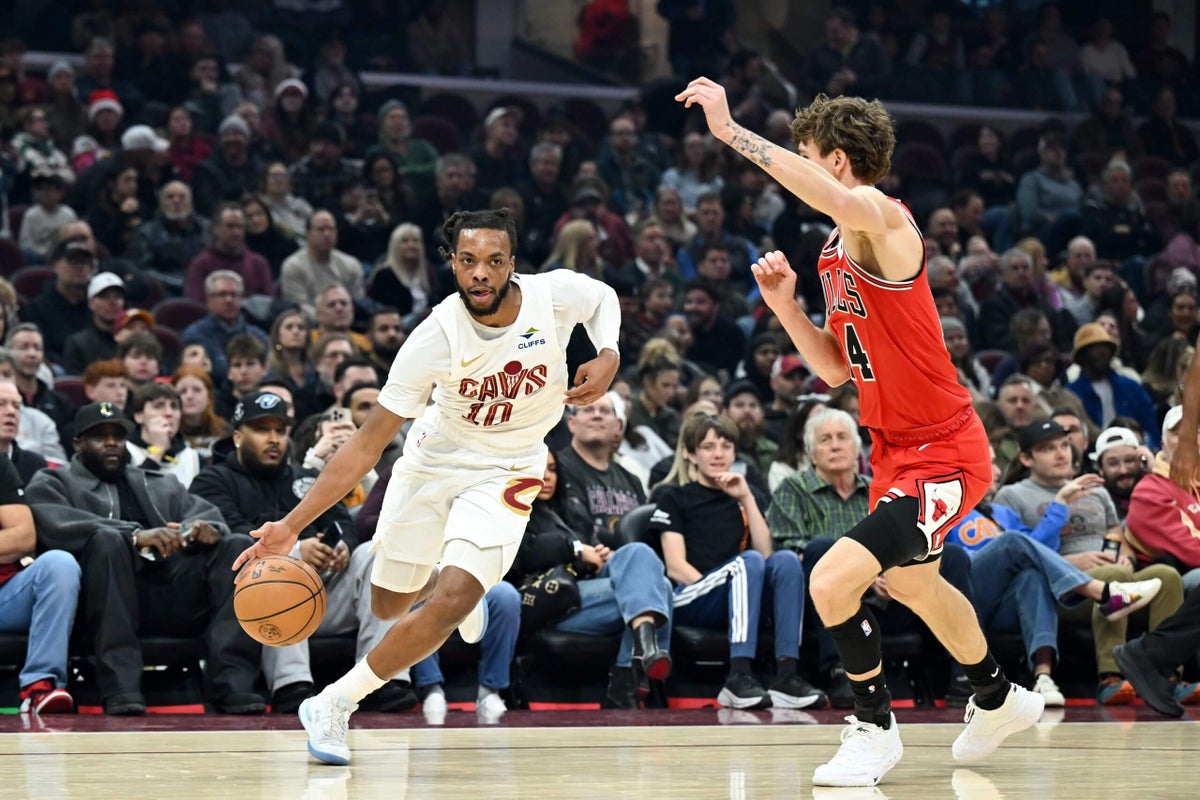
Why the Cavaliers Opted for James Harden in the Darius Garland Trade
The NBA landscape is constantly shifting, a dynamic world where established stars move, and new narratives unfold overnight. One of the most talked-about recent seismic shifts involved the Cleveland Cavaliers and the Los Angeles Clippers, culminating in the
Darius Garland Clippers trade for veteran superstar James Harden. While such a high-profile swap often sends shockwaves, the underlying reasons for Cleveland's decision were multifaceted, deeply rooted in both current circumstances and a strategic outlook.
For the Cavaliers, parting ways with a homegrown talent like Darius Garland, a player who had earned an All-Star nod just last season, was undoubtedly a significant choice. However, as revealed by Garland himself, the move wasn't entirely unexpected. According to the young guard, his agent, Rich Paul, had already signaled the inevitability of a trade as early as last summer, suggesting it was "going to happen regardless, either at the trade deadline or this summer." This pre-existing awareness indicates that Cleveland's contemplation of moving Garland was not a sudden impulse, but rather a long-term strategic consideration.
Health Concerns and Performance Dip: The Catalyst for Cleveland
A primary factor solidifying the Cavaliers' decision was undoubtedly Garland's health. He openly stated, "They didn’t know if I was going to be healthy for this season, which I will be." This concern, likely exacerbated by a toe surgery, proved to be a critical tipping point. While Garland averaged an impressive 20.6 points per game and shot a scorching 40.1% from three-point range during his second All-Star campaign last season, his performance in the 26 games leading up to the trade this season saw a slight dip. He posted 18.0 points and 6.9 assists per game, with his three-point percentage dropping to 36%.
For a team with playoff aspirations and a competitive core featuring Donovan Mitchell, Jarrett Allen, and Evan Mobley, relying on a player with lingering health questions and an inconsistent output became a significant risk. In James Harden, the Cavaliers acquired an 11-time NBA All-Star, a former MVP, and a proven veteran playmaker and scorer. Harden represents a different kind of floor general – a player whose ability to create for himself and others has consistently impacted winning. His acquisition signaled a clear "win-now" mentality for Cleveland, prioritizing an immediate boost in proven talent to navigate the fiercely competitive Eastern Conference. This move could be interpreted as the Cavaliers maximizing their current championship window, opting for a healthy, high-usage veteran to complement their existing young stars.
Darius Garland's New Beginning: A "Good Situation" in Los Angeles
On the other side of the trade, Darius Garland's perspective on his move to the Clippers offers compelling insights into player mentality and career trajectory. Initially, Garland admitted he was "kind of skeptical" about the trade. However, that skepticism quickly faded, replaced by an infectious optimism rooted in the literal and figurative sunshine of Los Angeles. "I’m super excited about L.A. life," Garland shared, highlighting the immediate mood shift upon waking up to the sun in February, a stark contrast to Cleveland's winter climate. This psychological boost from a change of scenery, coupled with the allure of a "big market" like L.A., played a significant role in his positive outlook.
Beyond the lifestyle, the professional implications for Garland are profound. He anticipates a role that allows him to "do me a little bit more" with "the ball in my hand a lot more." This suggests that in Cleveland, sharing backcourt duties with Donovan Mitchell might have somewhat curtailed his natural playmaking instincts or shot creation opportunities. Now, in Los Angeles, he envisions a situation where he can fully unleash his offensive repertoire. Crucially, he expresses excitement about playing alongside "another superstar" in Kawhi Leonard, stating, "I can go get it as well." This synergy with a two-way force like Leonard could elevate Garland's game, allowing him to thrive as a primary ball-handler who can both score and facilitate, with the added benefit of a premier defensive presence beside him. For more on his perspective, read
Garland on Clippers Trade: "Good Situation" & Playing with Kawhi.
The Clippers, currently holding a 27-31 record and sitting 10th in the Western Conference, made a bold statement with this
Darius Garland Clippers trade. Despite Kawhi Leonard averaging a career-high 28 points per game, the team was struggling for consistency. Acquiring Garland suggests a strategic pivot towards securing a "franchise point guard of the future." This move, combined with their earlier trade of star center Ivica Zubac to the Pacers for Bennedict Mathurin and a pair of first-round picks, indicates that the Clippers are not simply chasing a play-in tournament spot this season. Instead, they appear to have pressed a "rebuild button," focusing on youth, future assets, and building a sustainable contender around Leonard and Garland for years to come.
Strategic Imperatives: What Both Teams Glimpsed in the Trade
The
Darius Garland Clippers trade is a textbook example of teams operating on different timelines and with contrasting strategic imperatives.
*
Cleveland's "Win-Now" Imperative: The Cavaliers are in a strong position in the Eastern Conference, with a talented young core. By trading Garland for Harden, they mitigated immediate health risks and brought in a battle-tested veteran known for his ability to close games and elevate an offense. Harden's experience in deep playoff runs and his elite playmaking skills could be precisely what the Cavaliers need to take the next step towards championship contention. They prioritized immediate impact and a more certain, healthy contributor to complement their existing stars. This move speaks volumes about their current ambitions and their belief in their present roster's potential.
*
Clippers' Future-Focused Retooling: The Clippers, despite having a superstar in Kawhi Leonard, were underperforming. The decision to trade Harden and Zubac for Garland, Mathurin, and future draft picks signals a clear strategic shift. They've effectively traded two established, high-impact players for a younger All-Star point guard and promising future assets. This move positions Garland as the long-term floor general, providing stability at a crucial position for years to come. It’s a move that prioritizes sustainable success and aligns with building a younger, more dynamic roster around Leonard, ensuring they have talent evolving alongside him rather than just short-term rentals. The focus here is less on the immediate playoff picture and more on constructing a robust core for sustained relevance.
Unpacking the Impact: Player Dynamics and Conference Shifts
This superstar swap has significant implications for both players and their respective conferences. For Darius Garland, moving to a new team where he is expected to be the primary orchestrator could be the catalyst for a career leap. With more ball-handling responsibilities and the opportunity to play alongside a talent like Kawhi Leonard, Garland's growth as a lead guard will be closely watched. His ability to create, shoot, and facilitate will be critical for the Clippers' long-term success. His upcoming debut against the Warriors is a much-anticipated event, marking a fresh start. Learn more about his new chapter here:
Darius Garland's Clippers Debut: New Chapter After Harden Trade.
For James Harden, joining the Cavaliers presents a chance to re-establish himself as a top-tier facilitator and scorer on a contending team. His fit alongside Donovan Mitchell will be paramount. Can they effectively share ball-handling duties and create a formidable backcourt? Harden's presence could potentially alleviate some of the offensive burden on Mitchell, allowing both to thrive. The success of this pairing will largely determine Cleveland's ceiling in the playoffs.
The role of agents, particularly Rich Paul, in managing player expectations and preparing them for potential career changes, also comes into sharp focus here. Garland's advanced knowledge of the impending trade highlights how crucial these behind-the-scenes conversations are in the modern NBA, influencing player mindset and team dynamics well before any official announcement.
Conclusion
The
Darius Garland Clippers trade for James Harden is more than just a player swap; it's a strategic realignment for two franchises with differing visions for their immediate and long-term futures. For the Cleveland Cavaliers, it was a calculated risk to acquire a proven veteran to maximize their championship window, addressing immediate health concerns and seeking a more consistent offensive engine. For the Los Angeles Clippers, it signals a strategic pivot towards youth and future assets, securing a potential franchise cornerstone in Darius Garland to build around Kawhi Leonard for sustained success. As both players embark on their new chapters, the NBA world eagerly awaits to see the full impact of this intriguing, landscape-altering trade on their careers and the fortunes of their new teams.